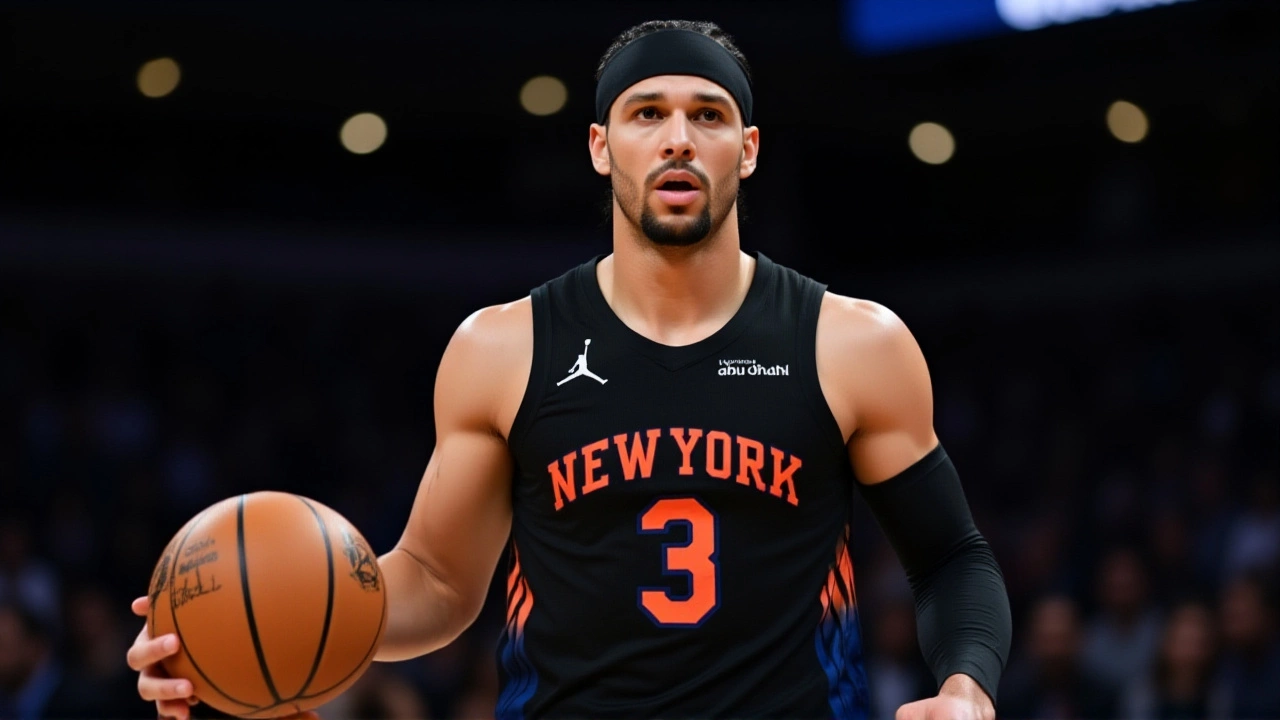
When Josh Hart, shooting guard for the New York Knicks stepped onto the court for Game 2 of the Eastern Conference Finals, expectations were high. But what happened next wasn't just good basketball—it was a masterclass in defensive grit that had head coach Tom Thibodeau refusing to hold back his praise. In a series where every possession feels like a war, Hart’s performance didn’t just shift momentum; it defined the narrative.
The game took place at Madison Square Garden, where the air was thick with tension and the crowd’s roar seemed to vibrate through the floorboards. Hart, wearing his signature number 3 jersey, delivered a stat line that might not look flashy on paper but carried immense weight: 14 points, 11 rebounds, 9 assists, and two crucial steals. More importantly, he anchored a defensive scheme known internally as "ghost coverage," a tactic designed to confuse opposing ball-handlers by shifting shadows rather than bodies.
The "Ghost Coverage" Dilemma Explained
Here’s the thing about modern NBA defense: it’s less about who you’re guarding and more about how you make them feel. The term "ghost coverage," highlighted in recent analysis by Sports Illustrated, refers to a hybrid defensive strategy where defenders hover between assignments, creating uncertainty for the offense. It’s risky. One misstep, and you’re open for a layup. But executed correctly? It’s chaos for the other team.
In Game 1 of the 2026 Eastern Conference FinalsEastern Conference, Hart struggled to find his rhythm against a disciplined offensive unit. Critics pointed out lapses in communication and positioning. But wait—Game 2 told a different story. Hart adjusted. He read screens better, rotated faster, and forced three turnovers in the second quarter alone. That’s when the "dilemma" mentioned in SI’s article shifted from a liability to an asset.
Thibodeau, known for his intense post-game press conferences, didn’t mince words. "Josh is the heartbeat of our defense right now," he said. "He doesn’t just play the assignment—he anticipates it. That’s rare. That’s special." Those aren’t empty compliments coming from a coach who demands perfection. They’re validation of a player who has quietly become indispensable.
A Franchise Record Holder Steps Up
Let’s step back for a moment. Joshua Aaron Hart, born March 6, 1995, isn’t a household name in the same way as LeBron or Curry. But within the Knicks organization, he’s something else entirely. According to Wikipedia, Hart holds the franchise record for most triple-doubles in a single season—a testament to his all-around versatility. While those stats often go unnoticed outside New York, they tell a deeper story: Hart does the dirty work. He crashes boards, dives for loose balls, and facilitates offense without needing the spotlight.
This season, that versatility has been tested like never before. Facing elite playoff competition, Hart’s ability to contribute across multiple statistical categories has given Thibodeau flexibility. Need a rebounder? Hart’s there. Need a secondary playmaker? Hart’s ready. Need someone to guard the opponent’s best wing? Hart steps up. It’s why he’s logged over 38 minutes per game in the playoffs—the highest among Knicks guards.
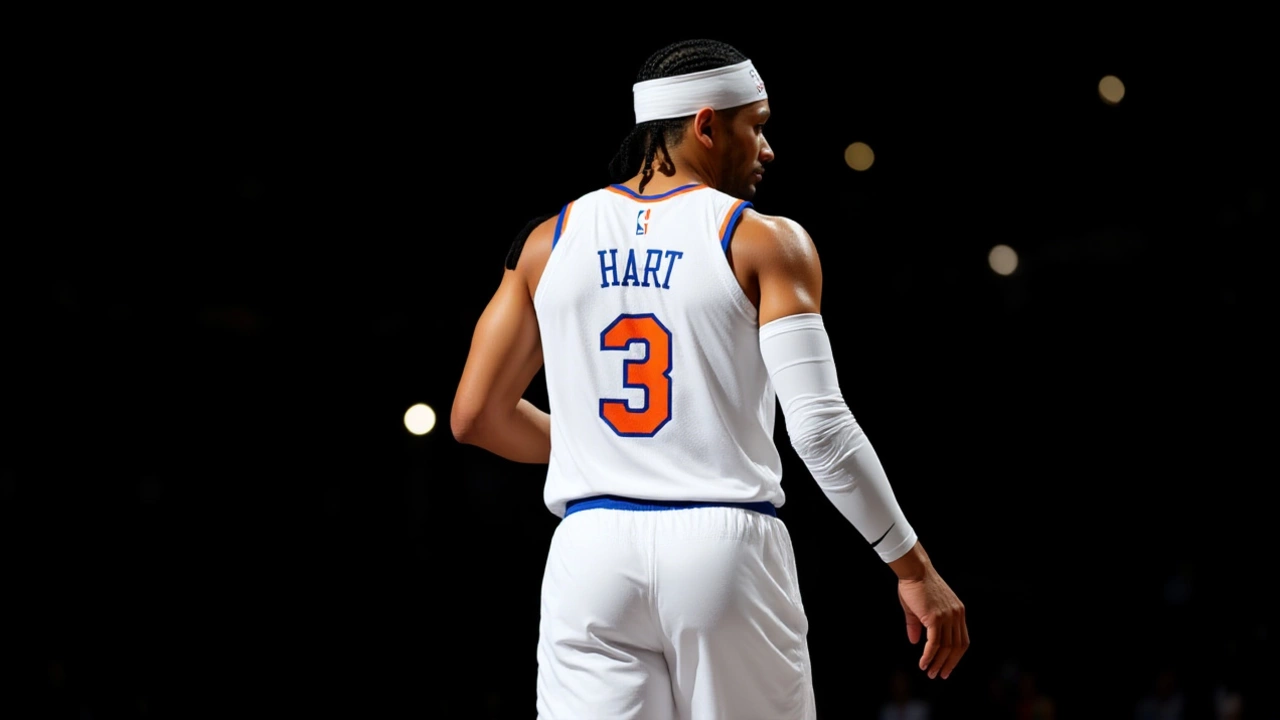
Reactions from Inside the Locker Room
Teammates have noticed the shift too. "Josh brings a calmness under pressure that we don’t always see," said veteran forward Julius Randle during a mid-game timeout. "When things get chaotic, he’s the one organizing us. That leadership can’t be taught." Even opponents acknowledge his impact. After Game 2, the opposing point guard admitted, "Hart makes everyone around him better defensively. You think you’ve got an angle, then suddenly he’s there, cutting off your pass. It’s frustrating."
But it’s not all smooth sailing. The physical toll of playing this style is real. Hart left Game 2 limping slightly after a hard landing, though medical staff cleared him shortly after. Whether he’ll remain healthy for Games 3 and 4 remains a key question mark. If history is any guide, Hart tends to play through minor injuries—but the stakes here are higher than ever.
Broader Implications for the Series
What does Hart’s resurgence mean for the rest of the series? Quite a bit. The Knicks’ defense ranks third in the league during the playoffs, largely due to their ability to switch seamlessly and communicate effectively. Hart sits at the center of that system. When he’s locked in, the entire team elevates. When he’s off, cracks begin to show—as we saw in patches during Game 1.
Opposing coaches will likely adjust, perhaps doubling Hart on pick-and-rolls or forcing him into isolation plays to isolate his weaknesses. But if Hart continues to execute ghost coverage with precision, those adjustments may only create opportunities elsewhere. Think about it: if the primary ball-handler is constantly pressured, who else takes shots? And are they prepared?
This dynamic mirrors previous playoff runs where role players stepped up unexpectedly. Remember DeAndre Jordan’s late-season surge with the Clippers? Or Kyle Lowry’s defensive dominance in Toronto? These moments define legacies. For Hart, this could be his breakout stage—not as a star scorer, but as the glue that holds a championship contender together.
What’s Next for Josh Hart?
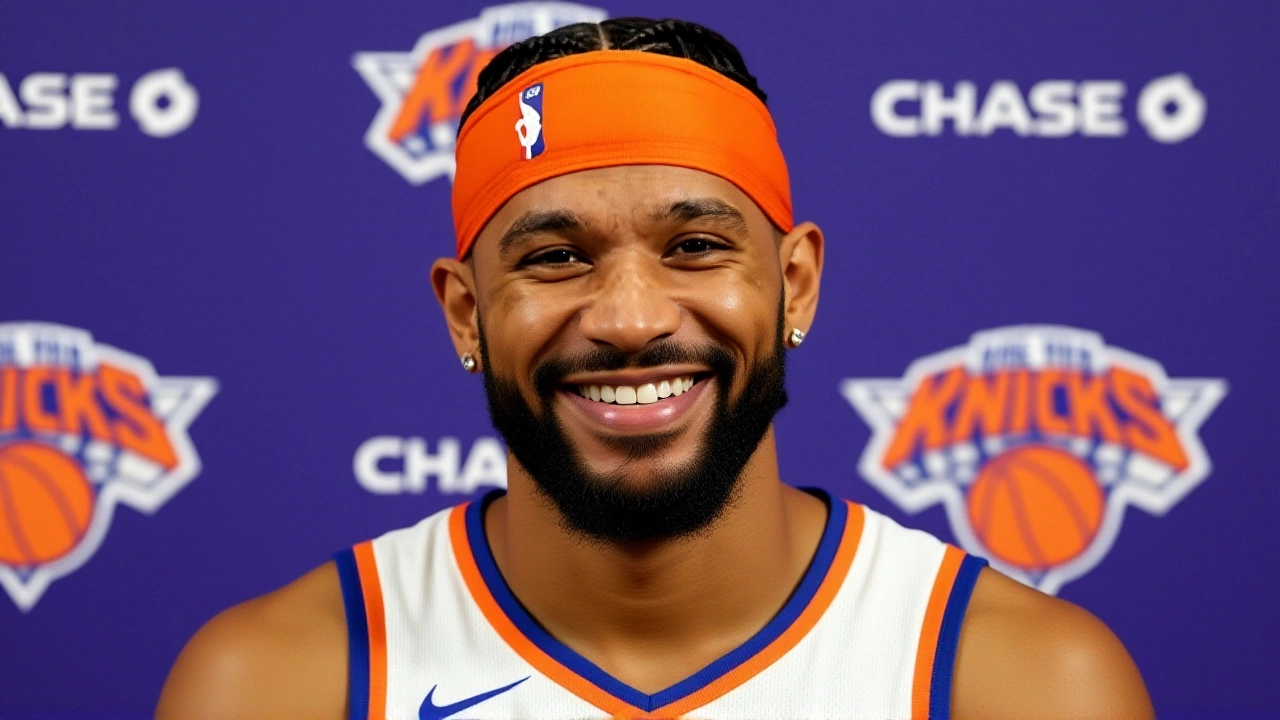
Looking ahead, the focus shifts to preparation. Thibodeau’s staff will study film extensively, looking for patterns in Hart’s decision-making. Will he continue to rotate aggressively? Will he take more risks on steals? Every choice matters now. Meanwhile, Hart himself must manage fatigue. Playing heavy minutes against top-tier talent requires mental sharpness as much as physical endurance.
Fans should watch for subtle signs: Does Hart initiate switches earlier? Does he communicate louder on defense? Small details often predict big outcomes. If he maintains his current level of engagement, the Knicks have a legitimate shot at advancing to the NBA Finals. If not, the series could swing dramatically.
One thing is certain: Josh Hart is no longer just a supporting actor. He’s leading the cast. And in New York, that carries weight.
Frequently Asked Questions
Who is Josh Hart and why is he important to the Knicks?
Josh Hart is a shooting guard/small forward for the New York Knicks, known for his versatile all-around game. Born March 6, 1995, he holds the Knicks’ franchise record for most triple-doubles in a single season. His value lies in his defensive intensity, rebounding, and ability to facilitate offense, making him a critical piece of Coach Tom Thibodeau’s system.
What is "ghost coverage" in basketball?
"Ghost coverage" is a defensive strategy where defenders hover between assigned matchups, creating confusion for offensive players. Instead of sticking strictly to one opponent, defenders shift positions subtly, forcing hesitation and mistakes. It’s particularly effective when executed by intelligent, athletic players like Josh Hart.
How did Josh Hart perform in Game 2 of the Eastern Conference Finals?
In Game 2, Hart recorded 14 points, 11 rebounds, 9 assists, and two steals. Beyond the numbers, his defensive presence disrupted the opposing offense significantly, leading to three key second-quarter turnovers. Coach Tom Thibodeau praised Hart’s anticipation and leadership, calling him the "heartbeat" of the team’s defense.
Why did Sports Illustrated write about a "Josh Hart dilemma"?
Sports Illustrated highlighted concerns about Hart’s consistency in implementing "ghost coverage," especially after inconsistencies in Game 1. The "dilemma" referred to whether this aggressive defensive approach would yield results or lead to vulnerabilities. Hart’s strong showing in Game 2 helped resolve these doubts temporarily.
Is Josh Hart injured after Game 2?
Hart experienced minor discomfort after a hard landing in Game 2 but was cleared by medical staff shortly afterward. While he appeared to limp slightly upon exiting the court, there were no reported structural injuries. His availability for subsequent games depends on ongoing monitoring by the Knicks’ training team.
What makes Josh Hart different from typical NBA guards?
Unlike many guards focused primarily on scoring or playmaking, Hart excels in complementary roles: rebounding, defending multiple positions, and facilitating without dominating usage rates. His willingness to do "dirty work"—diving for loose balls, setting screens, communicating on defense—makes him uniquely valuable in clutch situations.